
Gioielli per pelle sensibile: la guida completa

Gioielli per pelle sensibile:
La guida completa
Da Moonela utilizziamo acciaio inossidabile chirurgico 316L come metallo di base per l'intera collezione, rifinito con placcatura PVD oro 18k o PVD argento. Questa combinazione rende i nostri gioielli sicuri per chi è sensibile al nichel, waterproof e pensati per essere indossati ogni singolo giorno senza mai toglierli. Non serve spendere centinaia di sterline in platino per far felice la tua pelle.
Il niobio è un'altra ottima opzione che merita una menzione. È un metallo raro, 100% privo di nichel, che forma naturalmente uno strato di ossido protettivo. Alcuni gioiellieri specializzati lo usano per i primi piercing proprio perché è tollerato benissimo. È però molto più difficile da trovare nei negozi.

Classic Gold Filled Earrings
Cerchi dorati senza tempo realizzati in acciaio inossidabile chirurgico con finitura PVD oro 18k. Leggeri, waterproof e completamente sicuri per le orecchie sensibili. Il paio che scegli ogni mattina.
Vedi il prodotto →


I metalli da evitare con la pelle sensibile
Sapere cosa indossare è solo metà dell'opera. Devi anche sapere esattamente davanti a cosa tirare dritto quando fai shopping. Questi sono i metalli e le finiture che più spesso scatenano reazioni in chi ha la pelle sensibile.
| Metallo / Finitura | Perché è un problema | Livello di rischio |
|---|---|---|
| Alpacca (nickel silver) | Contiene fino al 25% di nichel, nonostante il nome. Non contiene affatto argento. | Molto alto |
| Ottone | Lega di rame e zinco che spesso contiene tracce di nichel. Si ossida e rende la pelle verde. | Alto |
| Rame | Non è un allergene comune, ma causa aloni verdi sulla pelle e può irritare la pelle lesa. | Moderato |
| Placcatura oro economica | Sottile strato galvanico su base di ottone o nichel. Si consuma in fretta, esponendo gli allergeni. | Alto |
| Oro bianco | Spesso legato con nichel per ottenere il suo colore. Non sempre sicuro per la pelle sensibile. | Medio-alto |
| Lega di zinco | Comune nella bigiotteria. Contiene spesso nichel e altri irritanti come riempitivi. | Alto |
Una regola semplice: se la scheda di un gioiello non indica chiaramente la composizione esatta del metallo, trattala con cautela. Espressioni come «metallo misto» o «lega» sono spesso un modo elegante per dire metalli di base contenenti nichel. I brand seri ti dicono sempre con precisione di cosa sono fatti i loro gioielli. Da Moonela indichiamo la composizione completa dei materiali su ogni singola pagina prodotto, perché crediamo che tu abbia il diritto di sapere esattamente cosa metti sul tuo corpo.
Come fare il patch test di un nuovo gioiello prima di indossarlo
La maggior parte delle guide ti dice di «fare un patch test» e finisce lì. Un vero test casalingo è più strutturato. Il metodo qui sotto è un adattamento per uso domestico del principio dei patch test clinici: contatto prolungato con la pelle, finestra di osservazione controllata e lettura ritardata. Non sostituisce il dermatologo se sospetti già un'allergia grave, ma ti dirà se uno specifico gioiello è sicuro per la tua pelle prima di impegnarti a indossarlo ogni giorno.
Il patch test casalingo in 4 passaggi
- Pulisci il gioiello. Passa la superficie interna con alcol isopropilico e lasciala asciugare completamente. Questo elimina i residui di espositori, confezioni o utilizzi precedenti che potrebbero falsare il risultato.
- Applicalo su pelle sottile. Appoggia il gioiello sulla parte interna dell'avambraccio, non sul polso o sull'orecchio. La pelle dell'avambraccio è sottile, poco soggetta a sfregamento e reagisce più in fretta del tessuto forato. Fissalo con cerotto medico ipoallergenico.
- Lascialo in posa per 24 ore. Controlla dopo 2, 12 e 24 ore che non ci siano rossore, prurito o calore. Rimuovi il gioiello allo scadere delle 24 ore.
- Osserva per altre 48 ore dopo la rimozione. È il passaggio che quasi tutte saltano. L'ipersensibilità al nichel di tipo IV raggiunge il picco da 24 a 48 ore dopo la fine del contatto, non mentre lo indossi. Una reazione ritardata è la firma classica dell'allergia.
Cosa significa davvero la risposta della pelle
- Anello rosso o prurito entro 2 ore: reazione immediata. Probabilmente nichel, cobalto o cromo. Non indossare il gioiello.
- Rosa leggero, niente prurito, sparisce in un'ora: irritazione da sfregamento o umidità, non un'allergia. Puoi indossarlo con le normali attenzioni.
- Eruzione che compare da 24 a 48 ore dopo la rimozione: dermatite da contatto ritardata, il segno distintivo dell'allergia al nichel. Restituisci il gioiello e passa ad acciaio chirurgico 316L, titanio o niobio.
- Nessuna reazione dopo 72 ore: il gioiello è sicuro per la tua pelle.
Se due gioielli diversi dello stesso brand falliscono il tuo patch test, il problema è la qualità del metallo di base del brand, non la tua pelle. Cambia brand prima di cambiare metallo. L'acciaio inossidabile chirurgico 316L con placcatura PVD in oro è l'equivalente più vicino, tra i gioielli da tutti i giorni, a un materiale di grado medicale privo di allergeni: ecco perché è diventato lo standard per chi fa sul serio con la pelle sensibile.

The Ripple Huggies
Cerchietti huggie testurizzati che aderiscono al lobo. Realizzati in acciaio inossidabile 316L con chiusura a cerniera sicura. Pensati per il comfort tutto il giorno, anche sulle orecchie più reattive.
Vedi il prodotto →


Come scoprire se sei allergica al nichel
Puoi comprare in farmacia un kit per il test del nichel a meno di £10. Il kit contiene una soluzione chiamata dimetilgliossima. Applica una goccia su un cotton fioc e strofinalo sul gioiello. Se il tampone diventa rosa, il gioiello contiene nichel in superficie. Per una diagnosi definitiva, il tuo medico può indirizzarti da un dermatologo per un patch test ufficiale: piccoli cerotti con gli allergeni più comuni applicati sulla schiena per 48 ore. È indolore e in genere disponibile tramite il servizio sanitario.
Orecchini per orecchie sensibili
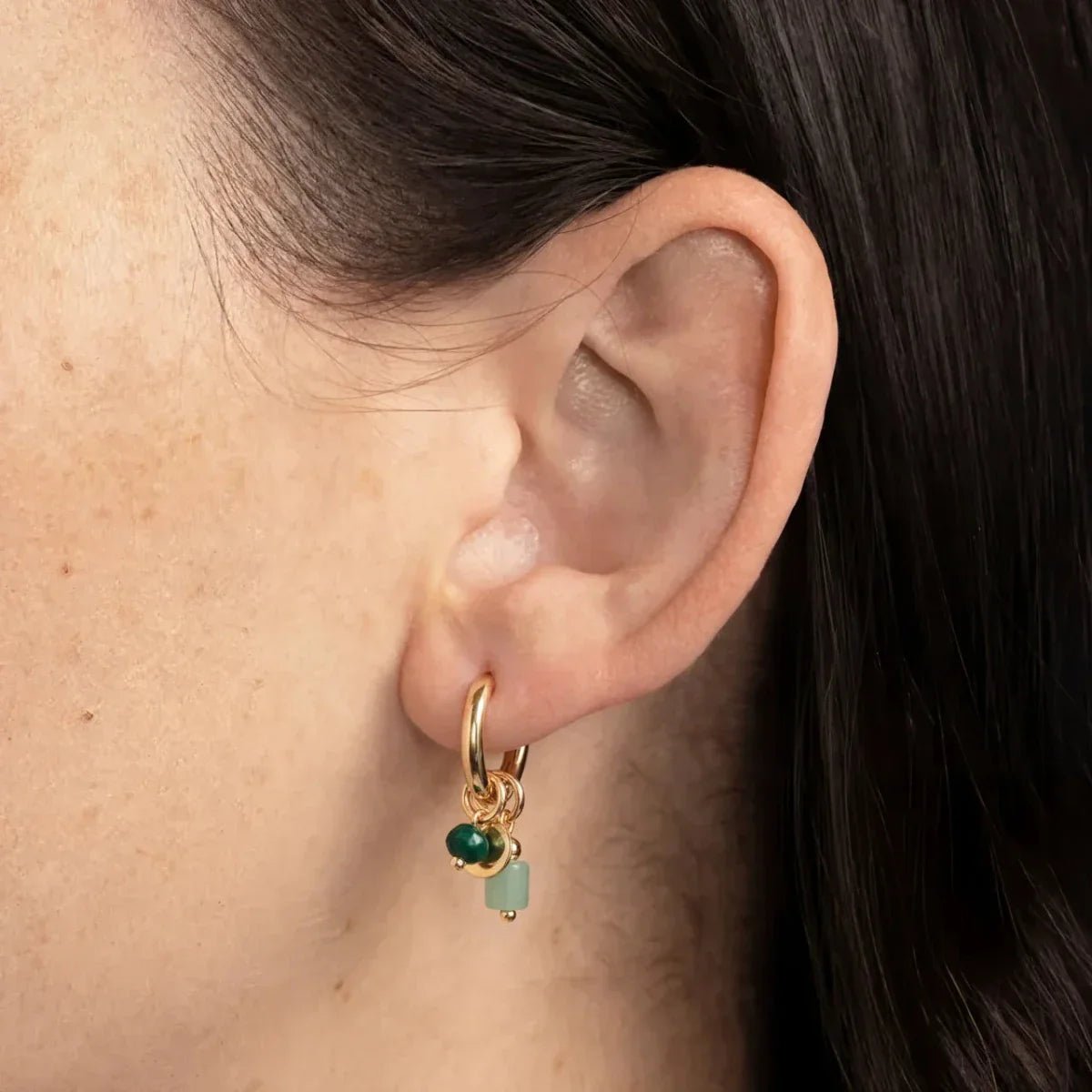
Tra tutte le categorie di gioielli, gli orecchini sono quelli che causano più problemi a chi ha la pelle sensibile. E c'è un buon motivo. I fori alle orecchie creano un passaggio diretto attraverso la pelle: il metallo si trova dentro un canale, non semplicemente in superficie. Questo offre agli allergeni una corsia preferenziale verso le tue cellule immunitarie.
Se le tue orecchie reagiscono agli orecchini, probabilmente hai già provato tutti i soliti trucchi: passare lo smalto trasparente sui perni, usare guaine di plastica, limitare l'uso a un paio d'ore. Sono soluzioni temporanee, nel migliore dei casi. Lo smalto si scheggia. Le guaine scivolano via. E togliere continuamente gli orecchini significa che i fori possono iniziare a chiudersi, soprattutto se sono recenti.
L'intero orecchino deve essere sicuro, non solo la parte decorativa davanti. Fai particolare attenzione a questi componenti:
Gli orecchini a lobo e i cerchietti huggie tendono a essere le opzioni migliori per le orecchie sensibili, perché riducono al minimo il movimento e lo sfregamento contro il canale del piercing. Gli orecchini pendenti pesanti possono tirare il foro, causando microlesioni che rendono la pelle ancora più reattiva agli allergeni. Se ami gli orecchini statement, cerca opzioni leggere in metalli sicuri.
Per le orecchie appena forate consigliamo sempre di aspettare la completa guarigione del piercing (da 6 a 12 settimane per i lobi, fino a 12 mesi per la cartilagine) prima di sperimentare orecchini diversi. Durante la guarigione, usa esclusivamente perni in titanio da impianto o acciaio inossidabile chirurgico. La te del futuro ti ringrazierà per la pazienza.

Mini Tennis Studs
Cristalli brillanti tagliati a mano incastonati in acciaio inossidabile chirurgico. Abbastanza discreti per il lavoro, abbastanza belli per la sera. Completamente sicuri per chi è sensibile al nichel, con chiusura a farfalla salda.
Vedi il prodotto →


Ogni gioiello della nostra collezione è realizzato in acciaio inossidabile chirurgico 316L. Niente reazioni al nichel. Niente segni verdi. Solo gioielli che puoi davvero indossare.
Sfoglia tutta la collezioneAnelli e bracciali per pelle sensibile
Se gli orecchini attirano quasi tutta l'attenzione quando si parla di pelle sensibile, anche anelli e bracciali possono creare problemi. La pelle di dita e polsi è in genere meno reattiva dei fori alle orecchie, perché non c'è un canale aperto, ma questo non significa che sia immune dalla dermatite da contatto.
Gli anelli sono particolarmente insidiosi perché acqua e sapone restano intrappolati sotto. Se ti lavi spesso le mani (come quasi tutte), l'umidità resta a lungo tra l'anello e la pelle. Sono le condizioni perfette perché il nichel venga rilasciato e irriti. I dermatologi hanno persino un nome per questo: dermatite da anello. Si presenta come una fascia di pelle rossa e squamosa esattamente dove poggia l'anello.

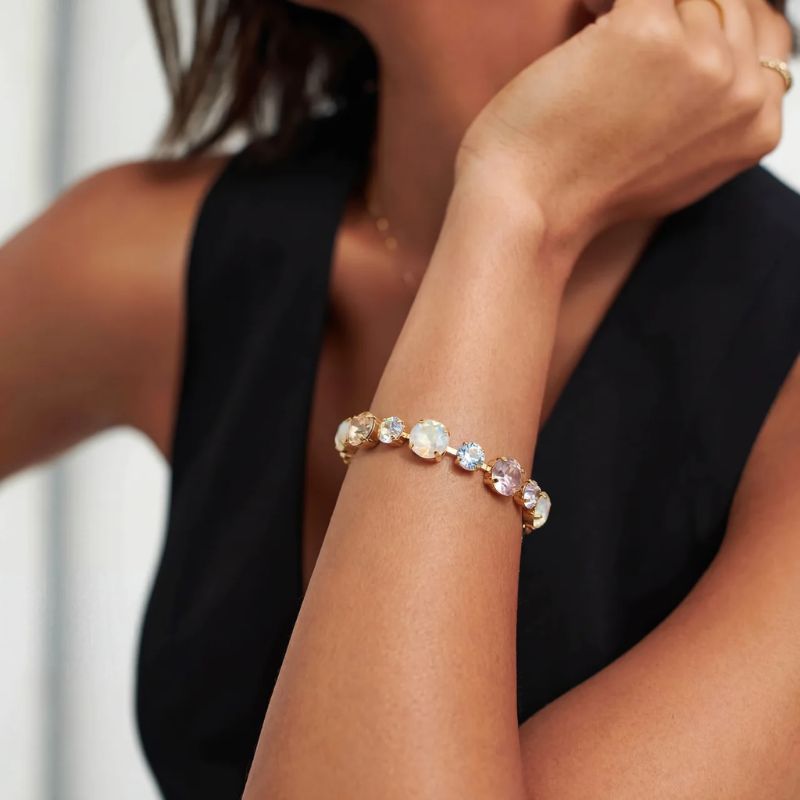
Bracciali e bangle stanno sul polso, dove la pelle è più sottile e suda più facilmente. I bracciali a catena danno in genere meno problemi dei bangle rigidi perché lasciano passare l'aria. Se ami il look del bangle, assicurati che la superficie interna sia completamente rivestita o realizzata in un metallo sicuro. I bangle economici con superfici interne ruvide possono creare microabrasioni che lasciano penetrare più facilmente gli allergeni.
La buona notizia è che, poiché dita e polsi sono per natura meno reattivi dei fori alle orecchie, molte persone che non tollerano certi orecchini scoprono di tollerare gli stessi metalli in versione anello o bracciale. Detto questo, se hai un'allergia al nichel confermata, è sempre meglio scegliere metalli sicuri per tutti i tuoi gioielli. L'esposizione ripetuta può aumentare la sensibilità nel tempo.

The Wave Band
Una fascia scultorea a forma di onda con interno comfort fit lucidato. Realizzata in acciaio inossidabile 316L con PVD oro 18k. Waterproof, resistente al sudore e pensata per restare al dito tutto il giorno.
Vedi il prodotto →

I gioielli dovrebbero farti sentire bella, non a disagio. Se un gioiello fa male quando lo indossi, non merita un posto nella tua collezione.
FAQ: pelle sensibile e gioielli
Qual è il metallo migliore per i gioielli se ho la pelle sensibile?
Acciaio inossidabile chirurgico 316L, titanio da impianto e platino sono le tre opzioni più sicure. Per la maggior parte delle persone, l'acciaio chirurgico offre il miglior equilibrio tra sicurezza, durata e prezzo. È lo stesso grado usato negli impianti medici e negli strumenti chirurgici. Da Moonela, tutti i nostri gioielli usano acciaio inossidabile 316L come metallo di base, rifinito con placcatura PVD oro 18k o argento per un look di lusso senza rischi.
Posso sviluppare all'improvviso un'allergia ai gioielli anche se non l'ho mai avuta?
Sì, ed è più comune di quanto pensi. Le allergie al nichel possono svilupparsi a qualsiasi età dopo esposizioni ripetute. Molte persone indossano per anni gioielli contenenti nichel senza problemi e poi iniziano improvvisamente a reagire. Si chiama sensibilizzazione. Una volta comparsa, l'allergia tende a durare tutta la vita. Cambiamenti ormonali, stress e sudorazione aumentata possono scatenare una prima reazione in chi prima non aveva mai avuto problemi.
L'argento sterling è sicuro per la pelle sensibile?
Dipende. L'argento sterling (925) è una lega composta al 92,5% da argento e al 7,5% da altri metalli. Quel 7,5% include spesso rame e a volte nichel. L'argento puro è in genere ben tollerato, ma i metalli della lega possono causare reazioni nelle persone sensibili. L'argento sterling inoltre si ossida, e l'ossidazione stessa può irritare la pelle. Se hai un'allergia al nichel confermata, l'acciaio inossidabile chirurgico o il titanio sono una scelta più sicura. Leggi il nostro confronto completo in Gioielli in acciaio inossidabile vs argento sterling.
Come dovrei pulire i gioielli se ho la pelle sensibile?
Usa acqua tiepida con una piccola goccia di sapone delicato senza profumo. Evita i detergenti chimici aggressivi: i residui lasciati sul gioiello possono irritare la pelle quanto il metallo stesso. Risciacqua a fondo e asciuga completamente prima di indossarlo. Per l'acciaio inossidabile e i gioielli con placcatura PVD, questo semplice metodo è tutto ciò che serve. Evita i pulitori a ultrasuoni, a meno che il produttore non dichiari espressamente che sono sicuri per il tuo gioiello. Per maggiori dettagli, leggi la nostra guida su come prendersi cura dei gioielli waterproof.
Passare lo smalto trasparente sui gioielli funziona davvero?
È un rimedio temporaneo, non una soluzione. Lo smalto trasparente crea una sottile barriera tra il nichel e la pelle e può ridurre le reazioni per qualche ora. Ma il rivestimento si scheggia e si consuma in fretta, soprattutto sui perni degli orecchini che attraversano i fori. Finisci per riapplicarlo di continuo, e ogni piccola falla nel rivestimento permette al nichel di toccare la pelle. Un approccio molto migliore è investire fin da subito in gioielli realizzati in metalli sicuri. Costa un po' di più all'inizio, ma ti risparmia la seccatura e le irritazioni a lungo termine.
I gioielli Moonela sono sicuri per chi è allergica al nichel?
Sì. Ogni gioiello Moonela è realizzato in acciaio inossidabile chirurgico 316L, lo stesso grado usato negli impianti medici. Questa lega contiene tecnicamente una piccola percentuale di nichel, ma è vincolata così saldamente nella struttura cristallina dell'acciaio che non può trasferirsi sulla pelle. È per questo che l'acciaio chirurgico è classificato come biocompatibile e approvato per uso implantare. La nostra placcatura PVD aggiunge un'ulteriore barriera protettiva. Migliaia di nostre clienti allergiche al nichel indossano i nostri gioielli ogni giorno senza alcuna reazione.
Gioielli che la tua pelle ringrazierà
Ogni gioiello della collezione Moonela è realizzato in acciaio inossidabile chirurgico 316L con finitura PVD oro 18k o argento. Waterproof, sicuro per chi è sensibile al nichel e fatto per essere indossato ogni singolo giorno.
Acquista i gioielli anallergici